
The allure of risk and reward
The psychology behind casino game players is intimately connected to the thrill of risk and reward. Many individuals are drawn to gambling because of the potential for financial gain, and this includes options like the 16 dollar neosurf casino that offer various incentives. This allure is further amplified by the psychological concept of variable reinforcement, where players receive unpredictable rewards, keeping them engaged and hopeful. The excitement of possibly hitting the jackpot can create an emotional high similar to that experienced in other forms of risk-taking, like extreme sports or investing in the stock market.
Moreover, the anticipation of a potential win can lead to an adrenaline rush, which makes the gaming experience enticing. Players often engage in a mental game, calculating risks versus potential rewards. This cognitive process can be addictive, as the brain releases dopamine, a neurotransmitter associated with pleasure, every time they win or experience the thrill of the game. Each win reinforces the behavior, leading to repeated participation and deeper engagement in gaming activities, sometimes to the point of developing problematic gambling behaviors.
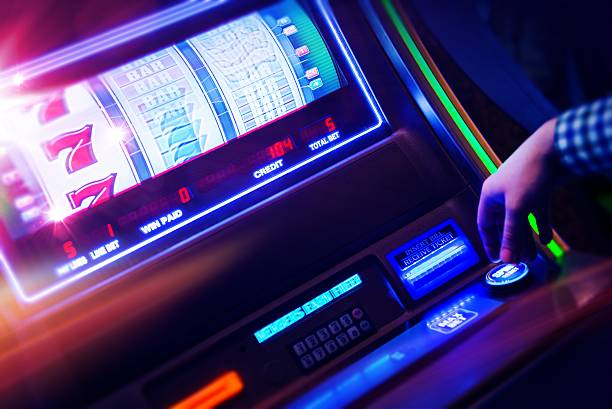
Furthermore, the design of casino environments plays a crucial role in enhancing this risk-reward dynamic. Bright lights, enticing sounds, and the general ambiance create a vivid atmosphere that heightens excitement levels. Casinos are masterfully crafted to engage players’ senses, ensuring that the experience is as immersive as possible. In this context, the combination of risk and reward manifests not just in monetary terms, but also through emotional satisfaction and entertainment value, which keeps players returning to the games despite potential risks.
The role of cognitive biases
Cognitive biases play a significant role in shaping the behavior of casino game players. One of the most prevalent biases is the illusion of control, where individuals believe they can influence the outcome of games that are largely based on chance. This perception can lead to overconfidence, prompting players to take more risks than they typically would in other situations. For instance, poker players might think their skill can outshine luck, leading them to make bold bets that can have severe consequences, especially in high-stakes games.
Another common bias is the gambler’s fallacy, which occurs when players believe that past events affect the probabilities of future outcomes. This misconception can lead players to chase losses or make irrational decisions based on previous results. For example, a player may decide to double down after a series of losses, hoping that a win is ‘due.’ Such biases cloud judgment and can create a vicious cycle where players continuously spiral deeper into gambling, often ignoring statistical realities.
Moreover, the framing effect can also influence player behavior. When the same situation is presented in different ways, it can lead to varied decisions. For example, a player might perceive a game as offering a high chance of winning if it is presented as a 90% chance rather than a 10% chance of losing. Understanding these cognitive biases can illuminate why players behave in seemingly irrational ways, providing valuable insights into the psychology of casino gaming and how these misconceptions can lead to unhealthy habits.
The impact of social dynamics
Social dynamics significantly influence casino game players’ behaviors and experiences. Friends and family can create a communal atmosphere that enhances the enjoyment of gaming, leading to group gambling activities. This social aspect can be a double-edged sword; while it may enhance the experience, it can also lead to shared losses and heightened risk-taking. The presence of others can encourage players to take more significant risks they might avoid when alone, driven by the desire to impress or entertain their peers.
Moreover, peer pressure can also have a profound effect on decision-making. Players may feel compelled to partake in gambling activities that they would otherwise avoid. This is particularly evident in social settings where endorsements from friends can lead to increased gambling participation. The feeling of belonging and the urgency to be part of the moment may override an individual’s better judgment, leading to choices driven more by social acceptance than by rational analysis of risks and rewards.
In addition, social media and online platforms have transformed how players engage with casino games. Online forums and communities provide a space for sharing experiences, strategies, and stories of wins and losses. These platforms foster a sense of shared identity among players, creating a collective narrative around their gaming experiences. The social validation often obtained through these channels can further encourage engagement in gambling behavior, showcasing the intricate interplay between social dynamics and individual psychology in the casino context.
The role of emotions
Emotions play an essential role in the decision-making processes of casino game players. Excitement, hope, and the thrill of potential winnings can create an emotional rollercoaster that keeps players returning for more. The fluctuation of emotions—ranging from joy at a win to frustration at a loss—can significantly influence players’ mental states and their future gaming choices. For example, a player who wins big may be more inclined to take risks, believing they can replicate that luck, while a series of losses may lead to a desperate chase for recovery.

Conversely, negative emotions such as anxiety or sadness can lead players to gamble as a coping mechanism. This phenomenon is often referred to as “emotional gambling,” where individuals seek solace in games as a distraction from their problems. Such behavior can perpetuate a cycle of gambling, as players may feel temporarily relieved, only to face the repercussions of loss later. This dynamic underscores the importance of understanding how emotional states affect gambling behavior and outcomes, highlighting the need for emotional awareness in gaming contexts.
Moreover, understanding emotional triggers can help casinos tailor their marketing strategies and gaming experiences. For instance, they might create events that evoke positive feelings, tapping into the excitement of winning while downplaying the potential for loss. Recognizing the power of emotions in driving behavior can lead to more responsible gambling practices and informed design choices that prioritize player well-being alongside entertainment, ultimately fostering a healthier gaming environment.
Exploring resources for responsible gaming
As understanding the psychology of casino game players unfolds, it becomes increasingly important to explore resources that advocate for responsible gaming. Many casinos and online platforms have begun implementing measures to promote safe gambling practices. These initiatives often include self-exclusion programs, where players can voluntarily restrict access to gaming activities. By providing tools for players to monitor their behavior, such resources promote a healthier relationship with gambling and encourage self-awareness among players.
Education is another critical component of responsible gaming. Websites dedicated to promoting awareness about gambling risks can serve as invaluable resources. They offer insights into the psychological aspects of gaming, helping players recognize their behaviors and the potential consequences. For instance, materials that explain cognitive biases can empower players to make informed decisions rather than rely solely on gut feelings or peer influence, thereby fostering a more mindful approach to gambling.
In conclusion, the knowledge of the psychology behind casino gaming can enhance the overall experience for players while encouraging responsible behavior. By providing comprehensive resources and education, players can navigate the gaming world more safely and enjoyably. As the landscape of gambling continues to evolve, promoting awareness around psychological factors remains crucial for sustaining a balanced approach to entertainment in the casino realm, ensuring that players engage in gaming as a form of leisure rather than a problematic habit.